/govets-registered-small.png?width=150&height=57&name=govets-registered-small.png "govets-registered-small")
/govets-registered-small.png?width=130&height=50&name=govets-registered-small.png "govets-registered-small")
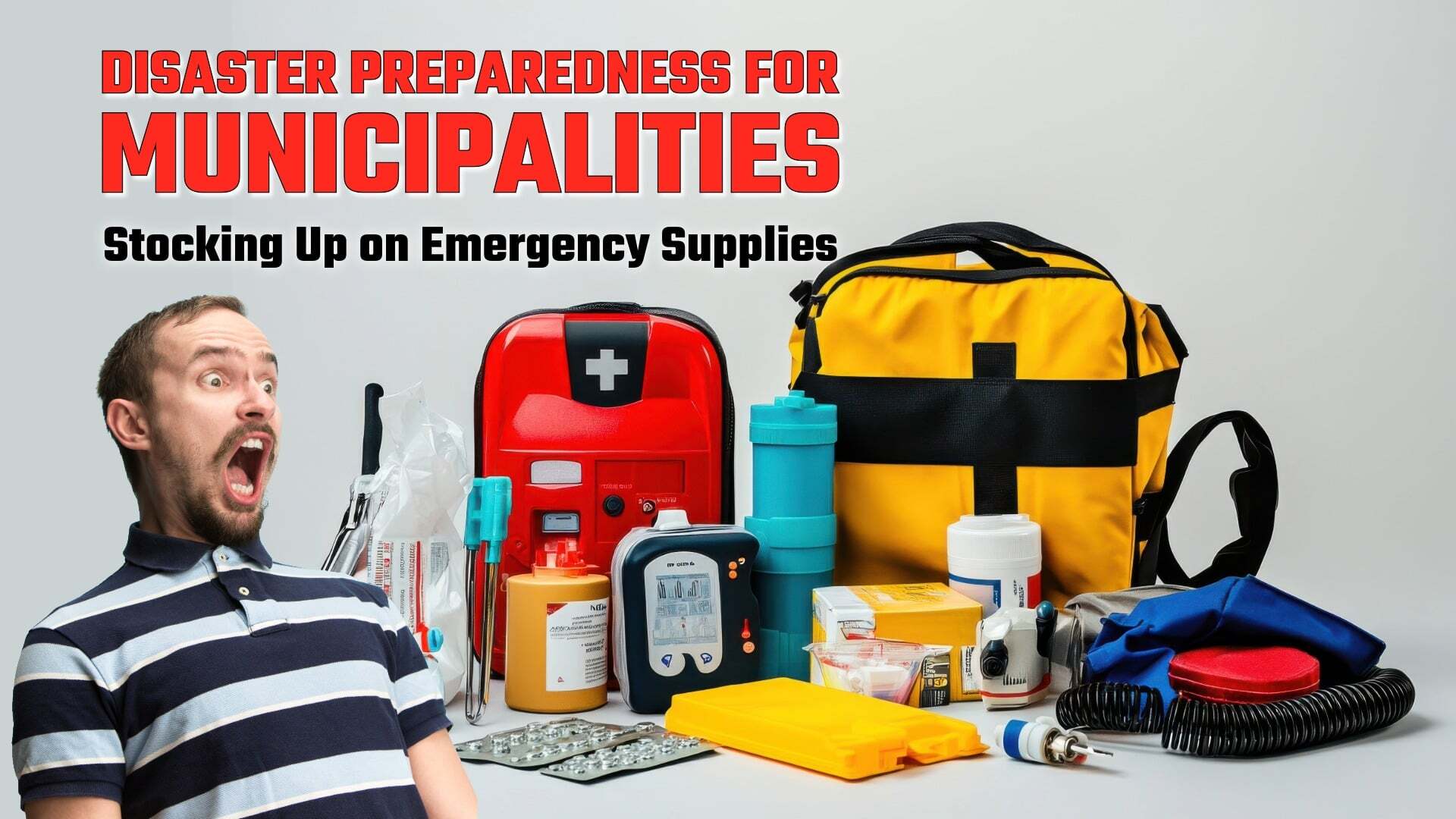
Disaster Preparedness for Municipalities: Stocking Up on Emergency Supplies
When disaster strikes—whether it’s a hurricane, flood, snowstorm, or other emergency—municipalities are on the front lines of response. For procurement officers, ensuring that communities have the right supplies in place before a crisis hits is both a challenge and a responsibility. The stakes are high: delays in acquiring essential goods can slow recovery efforts, endanger residents, and strain already stretched municipal resources.
Why Advance Preparedness Matters
Seasonal weather events are becoming more frequent and severe. Hurricanes bring storm surges and power outages, floods can displace entire neighborhoods, and snowstorms can shut down critical infrastructure. Municipalities that plan ahead by stocking emergency supplies reduce their vulnerability and are better positioned to protect their residents.
Preparedness is not just about having supplies on hand—it’s about having the right supplies, in the right quantities, ready for immediate deployment. This requires careful planning, reliable sourcing, and collaboration across agencies.
Key Emergency Supply Categories
For procurement officers, the following categories represent core areas of focus when preparing municipal stockpiles:
-
Food and Water: Shelf-stable meals, bottled water, and bulk hydration solutions for displaced or stranded residents.
-
Medical Supplies: First aid kits, over-the-counter medications, wound care, PPE, and emergency medical equipment.
-
Shelter and Warmth: Blankets, cots, tents, sleeping bags, portable heaters, and generators.
-
Safety and Rescue: Flashlights, batteries, sandbags, water pumps, high-visibility gear, and communication devices.
-
Sanitation and Hygiene: Hand sanitizers, disinfecting wipes, portable toilets, and hygiene kits.
-
Special Needs Supplies: Items for children, seniors, and individuals with disabilities, such as diapers, mobility aids, or oxygen tanks.
Procurement Best Practices
To prepare effectively, procurement officers can adopt strategies rooted in emergency management principles:
-
Forecasting Seasonal Risks – Use historical data to anticipate needs for hurricane season, winter storms, or regional flood risks.
-
Vendor Relationships – Establish contracts with reliable suppliers that guarantee delivery even during peak demand.
-
Stock Rotation – Regularly rotate perishables and medical items to avoid waste and ensure usability.
-
Cross-Agency Coordination – Align with local fire, police, and emergency management offices to prevent duplication and fill supply gaps.
-
Funding and Grants – Explore FEMA and state-level grants that can offset the cost of stocking and maintaining emergency reserves.
The Bottom Line for Procurement Officers
Disaster preparedness is a year-round priority. Municipal procurement teams serve as the backbone of readiness by ensuring that supplies are not only purchased but strategically managed. When emergencies hit, the ability to deploy resources quickly and efficiently can save lives, maintain public trust, and accelerate community recovery.
At GoVets, we’re proud to support municipalities by offering a wide range of emergency management supplies—delivered quickly, with compliance and accountability built in. By planning ahead and leveraging the right procurement tools, cities and towns can weather the storm—literally and figuratively.

Preparing for the Fall Season with GoVets
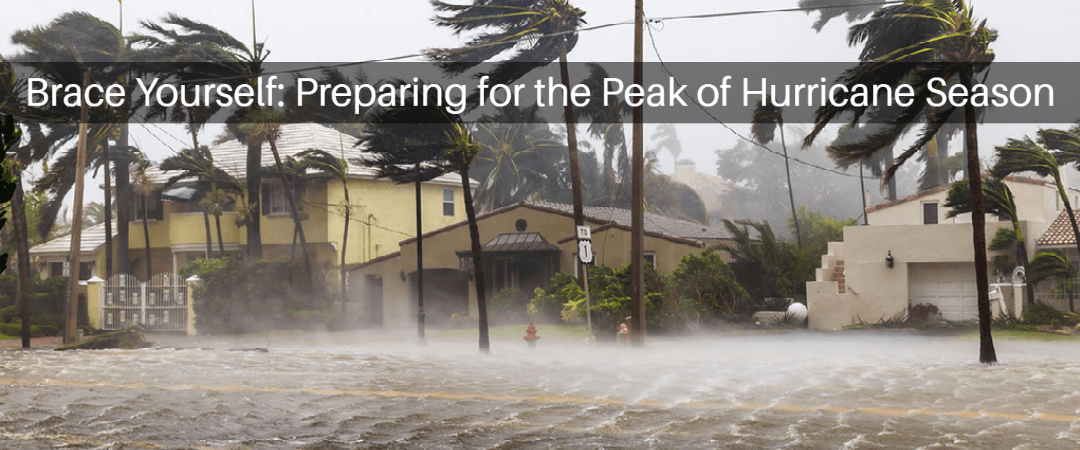
Brace Yourself: Ultimate Guide to Preparing for Peak Hurricane Season
No Comments Yet
Let us know what you think