/govets-registered-small.png?width=150&height=57&name=govets-registered-small.png "govets-registered-small")
/govets-registered-small.png?width=130&height=50&name=govets-registered-small.png "govets-registered-small")
/GoVets-Favicon-96x96.png?width=40&height=40&name=GoVets-Favicon-96x96.png)
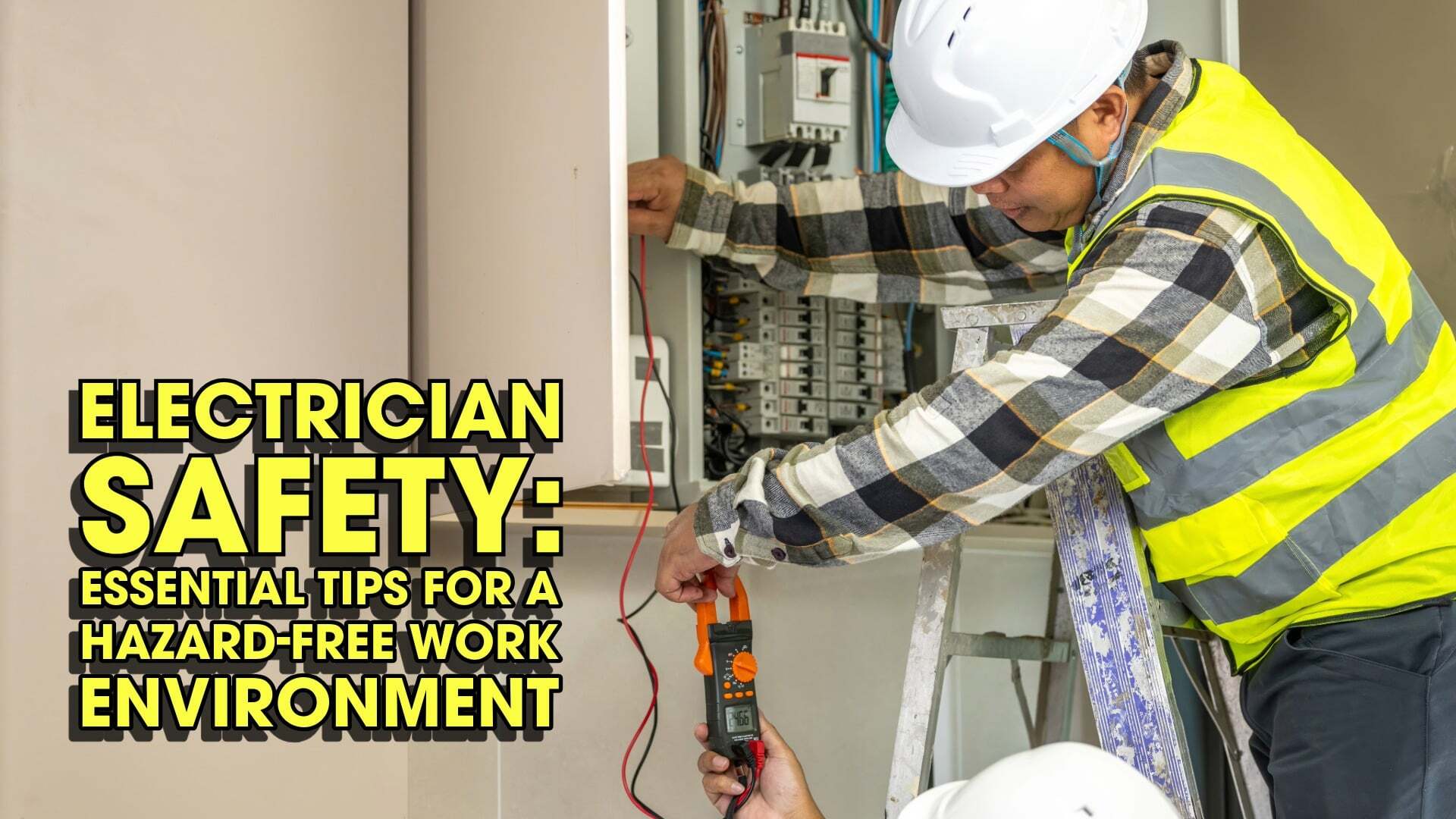
Electrician Safety: Essential Tips for a Hazard-Free Work Environment
Working as an electrician involves daily exposure to potentially dangerous environments, from high-voltage equipment to confined spaces. Whether you're a licensed professional or an apprentice just starting out, prioritizing safety is non-negotiable. In this blog, we’ll explore essential electrician safety practices, gear, and habits that help ensure a secure and efficient workplace.
Why Electrician Safety Matters
Electricians face unique occupational hazards such as:
-
Electrical shocks
-
Arc flashes
-
Burns
-
Falls from heights
-
Tool-related injuries
According to the U.S. Bureau of Labor Statistics, electrical work consistently ranks among the top 10 most dangerous jobs. However, with proper safety protocols, most incidents can be prevented.
1. Wear the Right Personal Protective Equipment (PPE)
The first line of defense is PPE—gear designed to shield electricians from hazards. Key items include:
-
Insulated gloves (rated for voltage levels)
-
Safety goggles or face shields
-
Flame-resistant (FR) clothing
-
Dielectric boots
-
Hard hats
Tip: Always inspect PPE for wear and tear before use. Even a small crack in a glove can compromise your protection.
2. Use Proper Tools (and Maintain Them)
Electricians should only use tools with insulated handles, especially when working near live wires. Common examples:
-
Insulated screwdrivers, pliers, and wire strippers
-
Voltage testers and multimeters rated for your task
Always:
-
Check for tool damage before every job
-
Calibrate electronic devices regularly
-
Avoid using worn-out extension cords or frayed power tools
3. De-Energize Before Work
It may sound obvious, but always turn off power at the source before starting electrical work. Use a lockout/tagout (LOTO) procedure to:
-
Deactivate the circuit
-
Tag it as under maintenance
-
Prevent re-energization by others

Brace Yourself: Ultimate Guide to Preparing for Peak Hurricane Season

Essential Safety Equipment for Modern Workplaces: PPE, Gloves, Helmets & More

No Comments Yet
Let us know what you think