/govets-registered-small.png?width=150&height=57&name=govets-registered-small.png "govets-registered-small")
/govets-registered-small.png?width=130&height=50&name=govets-registered-small.png "govets-registered-small")
/GoVets-Favicon-96x96.png?width=40&height=40&name=GoVets-Favicon-96x96.png)
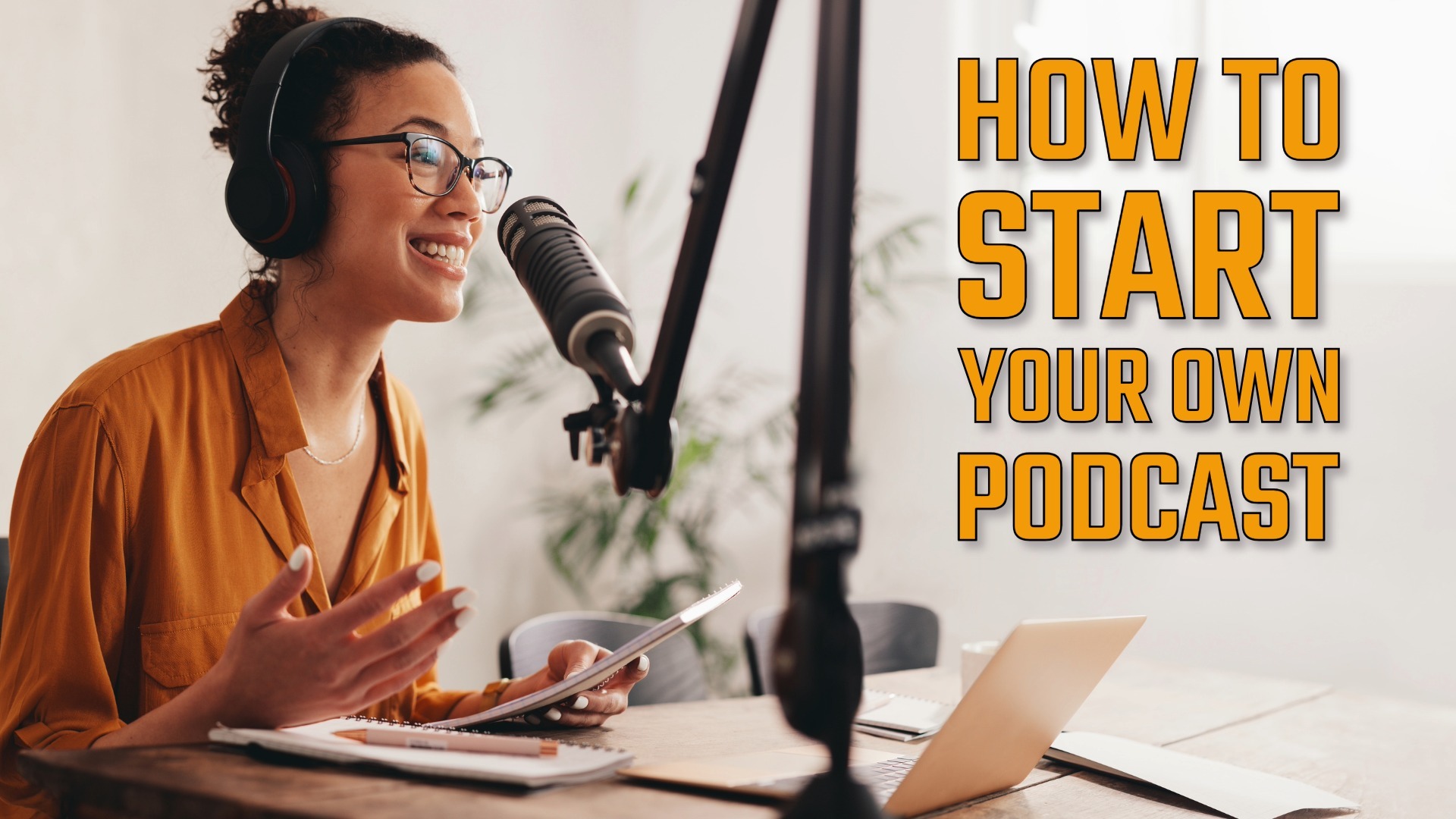
How to Start Your Own Podcast: A Step-by-Step Guide
Podcasting has exploded in popularity over the past decade. Whether you want to share your expertise, tell compelling stories, or build a community around your passions, podcasting is one of the most engaging ways to connect with an audience. But getting started can feel overwhelming. This guide will walk you through the essentials of launching your own podcast—without the stress.
1. Define Your Podcast Concept
Before you press record, you need clarity:
-
Topic: What will your podcast focus on? Pick something you’re genuinely passionate about.
-
Format: Interview show, solo episodes, panel discussions, storytelling, or a hybrid.
-
Audience: Who are you talking to, and what value will they get from listening?
A clear concept ensures your podcast stands out in a crowded space.
2. Choose a Name and Branding
Your podcast name should be:
-
Easy to remember and search for.
-
Descriptive of your theme or vibe.
-
Supported by a strong visual identity (logo, colors, cover art).
Think of your podcast as a brand—consistent branding builds recognition.
3. Gather the Right Equipment
You don’t need a professional studio to start. At minimum, you’ll want:
-
Microphone: USB mics like the Blue Yeti or XLR options like the Shure SM7B.
-
Headphones: Closed-back headphones for clear monitoring.
-
Recording software: Free options like Audacity, or paid tools like Adobe Audition or Logic Pro.
Good audio quality goes a long way in keeping listeners engaged.
4. Record and Edit Your First Episode
-
Environment: Record in a quiet space with minimal echo.
-
Recording: Use software like Riverside, Zencastr, or Zoom (for interviews).
-
Editing: Clean up background noise, add music, and cut out long pauses. Tools like GarageBand or Descript make editing approachable for beginners.
5. Choose a Hosting Platform
Podcast hosting services distribute your episodes to apps like Apple Podcasts, Spotify, and Google Podcasts. Popular options include:
-
Buzzsprout
-
Podbean
-
Anchor (by Spotify)
-
Libsyn
Upload your audio, write show notes, and your host takes care of the rest.
6. Publish and Promote
Launching isn’t just uploading—it’s building momentum.
-
Social media: Share snippets, audiograms, and episode teasers.
-
Website or blog: Create a hub for your episodes, notes, and resources.
-
Networking: Appear as a guest on other podcasts to grow your audience.
Consistency is key—regular releases keep listeners coming back.
7. Keep Improving
Podcasting is a skill. As you gain experience:
-
Ask listeners for feedback.
-
Experiment with formats and styles.
-
Track analytics to see what resonates.
Over time, you’ll refine your voice and build a loyal community.
Final Thoughts
Starting a podcast is easier than ever, but success comes from consistency, passion, and delivering value to your listeners. Don’t overthink it—your first episode doesn’t need to be perfect. Hit record, share your story, and grow from there.
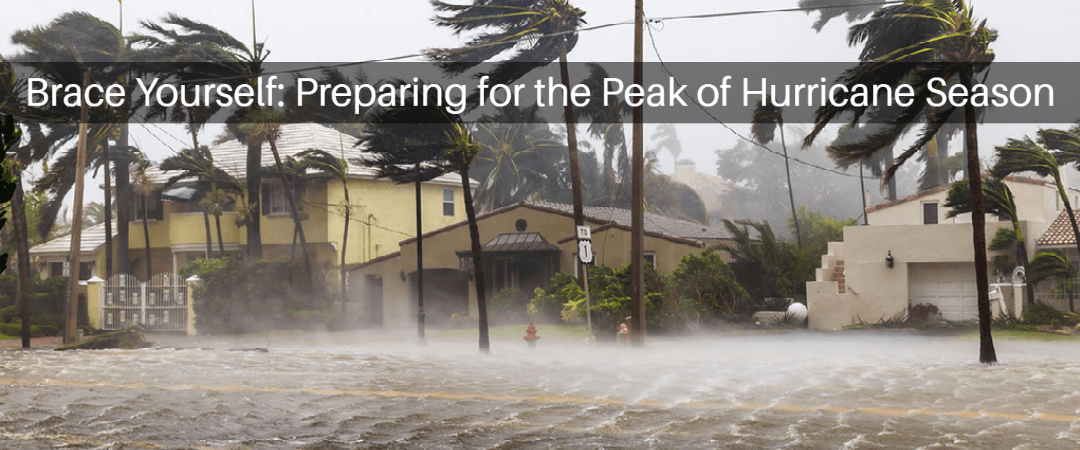
Brace Yourself: Ultimate Guide to Preparing for Peak Hurricane Season

NYS MWBE Goals (Executive Law Article 15-A): What Agency Buyers Should Know
No Comments Yet
Let us know what you think