/govets-registered-small.png?width=150&height=57&name=govets-registered-small.png "govets-registered-small")
/govets-registered-small.png?width=130&height=50&name=govets-registered-small.png "govets-registered-small")
/GoVets-Favicon-96x96.png?width=40&height=40&name=GoVets-Favicon-96x96.png)
Municipal Fleet Maintenance: How to Keep City Vehicles Running Smooth
Every city relies on its fleet to keep things moving. From police cars and fire trucks to school buses, snowplows, and sanitation vehicles, municipal fleets are the backbone of essential services. When these vehicles are down, public safety and community operations can grind to a halt. That’s why proper fleet maintenance isn’t just important—it’s critical.
In this post, we’ll explore how municipalities can keep their fleets running smoothly, reduce downtime, and stretch taxpayer dollars further.
Why Fleet Maintenance Matters for Cities
A municipal fleet is more than just a collection of vehicles—it’s a public resource. Keeping those vehicles in good condition ensures:
-
Public safety – Police, fire, and EMS vehicles need to be reliable in emergencies.
-
Operational efficiency – Garbage trucks, snowplows, and public works vehicles must be ready when the community needs them most.
-
Cost savings – Preventive maintenance reduces costly breakdowns and extends vehicle lifespan.
-
Compliance – Municipal fleets must meet safety and emissions regulations, avoiding fines and legal issues.
Best Practices for Municipal Fleet Maintenance
1. Preventive Maintenance Programs
The key to avoiding unexpected breakdowns is scheduled preventive maintenance. Oil changes, tire rotations, brake checks, and fluid inspections should all be on a recurring schedule tailored to each vehicle type.
2. Use Fleet Management Software
Modern fleet management systems track maintenance schedules, service history, and even real-time vehicle diagnostics. This ensures no inspection or repair slips through the cracks.
3. Stock Essential Fleet Supplies
Keeping critical fleet supply inventory—filters, belts, wiper blades, tires, fluids—on hand minimizes downtime. Municipal garages can’t always wait for suppliers, especially during snowstorms or emergencies.
4. Train and Support Fleet Technicians
Fleet maintenance is only as strong as the team behind it. Investing in training, certifications, and proper diagnostic tools helps technicians service complex vehicles like hybrid buses or heavy-duty snow equipment.
5. Implement Vehicle Replacement Policies
No vehicle lasts forever. Municipalities should track the total cost of ownership (TCO) to decide when it’s more cost-effective to replace rather than repair. A proactive replacement strategy prevents fleets from running on outdated, unreliable equipment.
6. Monitor Fuel and Emissions
Fuel is one of the largest expenses for city fleets. Monitoring fuel efficiency and emissions can uncover maintenance issues early and ensure compliance with environmental standards.
The Role of Fleet Supplies in Reducing Downtime
Fleet supplies—filters, lubricants, spare parts, safety gear—are often overlooked but are critical for smooth operations. Stocking and sourcing the right supplies ensures that:
-
Repairs can be completed immediately without waiting for parts.
-
Vehicles spend less time off the road.
-
Maintenance costs are predictable and controlled.
Strategic partnerships with reliable suppliers can also reduce costs through bulk purchasing and consistent availability.
Final Thoughts
Municipal fleets are the unsung heroes of city life. From clearing roads during winter storms to ensuring public safety, these vehicles need to be reliable 24/7. By investing in preventive maintenance, stocking essential fleet supplies, and adopting smart management practices, cities can keep their vehicles running smooth, protect their budgets, and most importantly—serve their communities better.
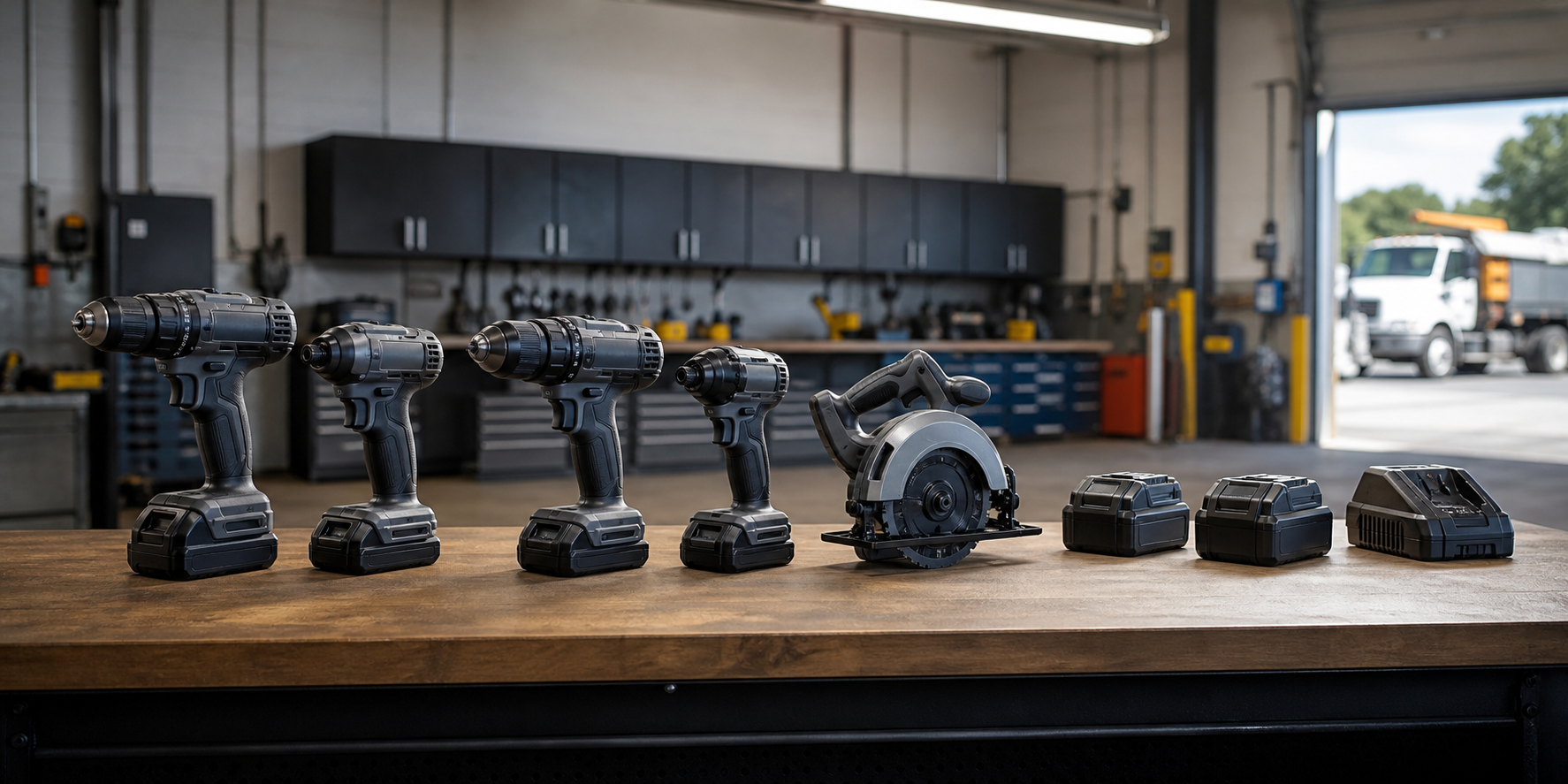
DeWalt Brand Spotlight: 20V MAX and FLEXVOLT Tools Built for Jobsite and Fleet Work

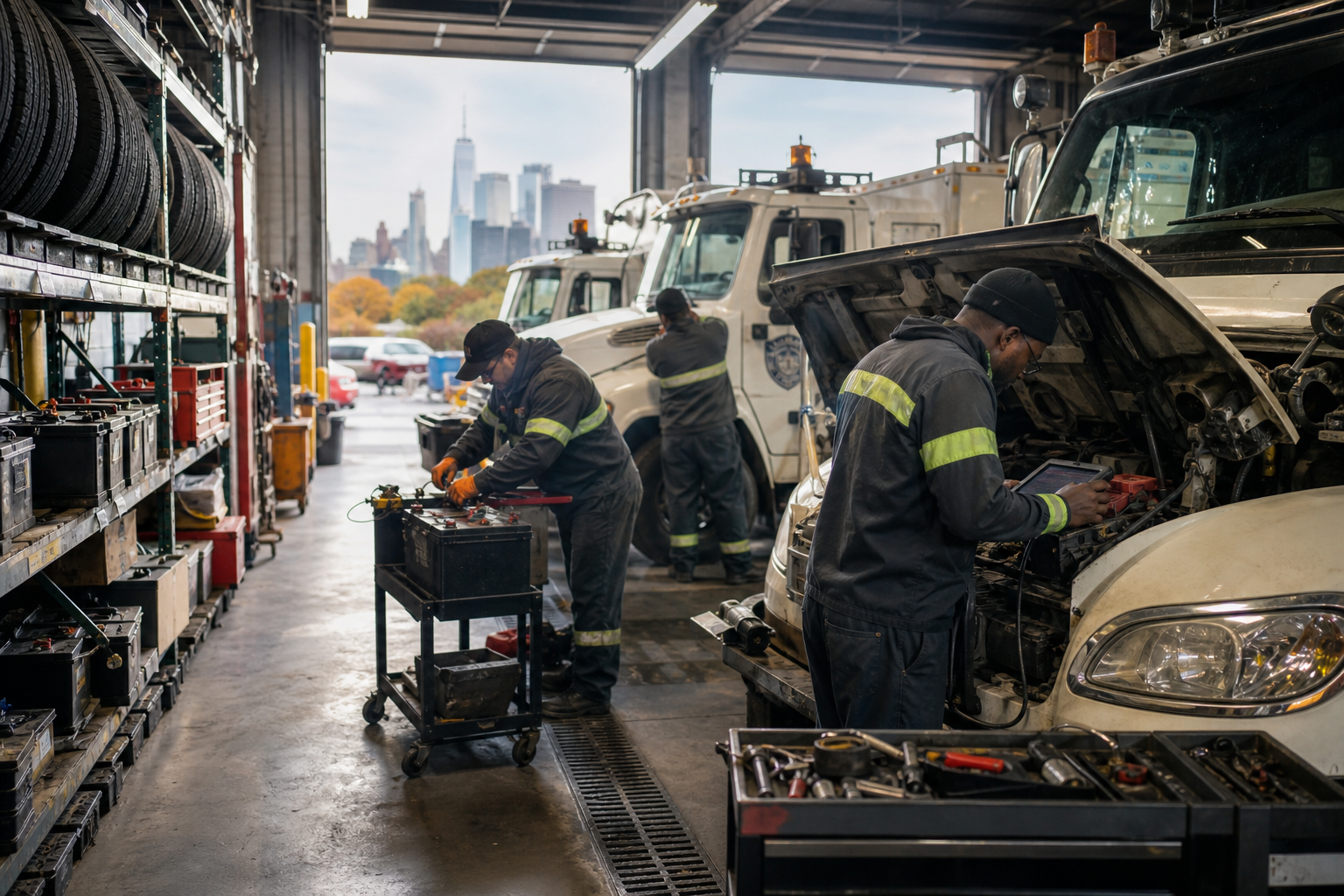
NYC Fleet Winterization: Essential Maintenance Supplies Before the First Freeze
No Comments Yet
Let us know what you think