/govets-registered-small.png?width=150&height=57&name=govets-registered-small.png "govets-registered-small")
/govets-registered-small.png?width=130&height=50&name=govets-registered-small.png "govets-registered-small")
/GoVets-Favicon-96x96.png?width=40&height=40&name=GoVets-Favicon-96x96.png)
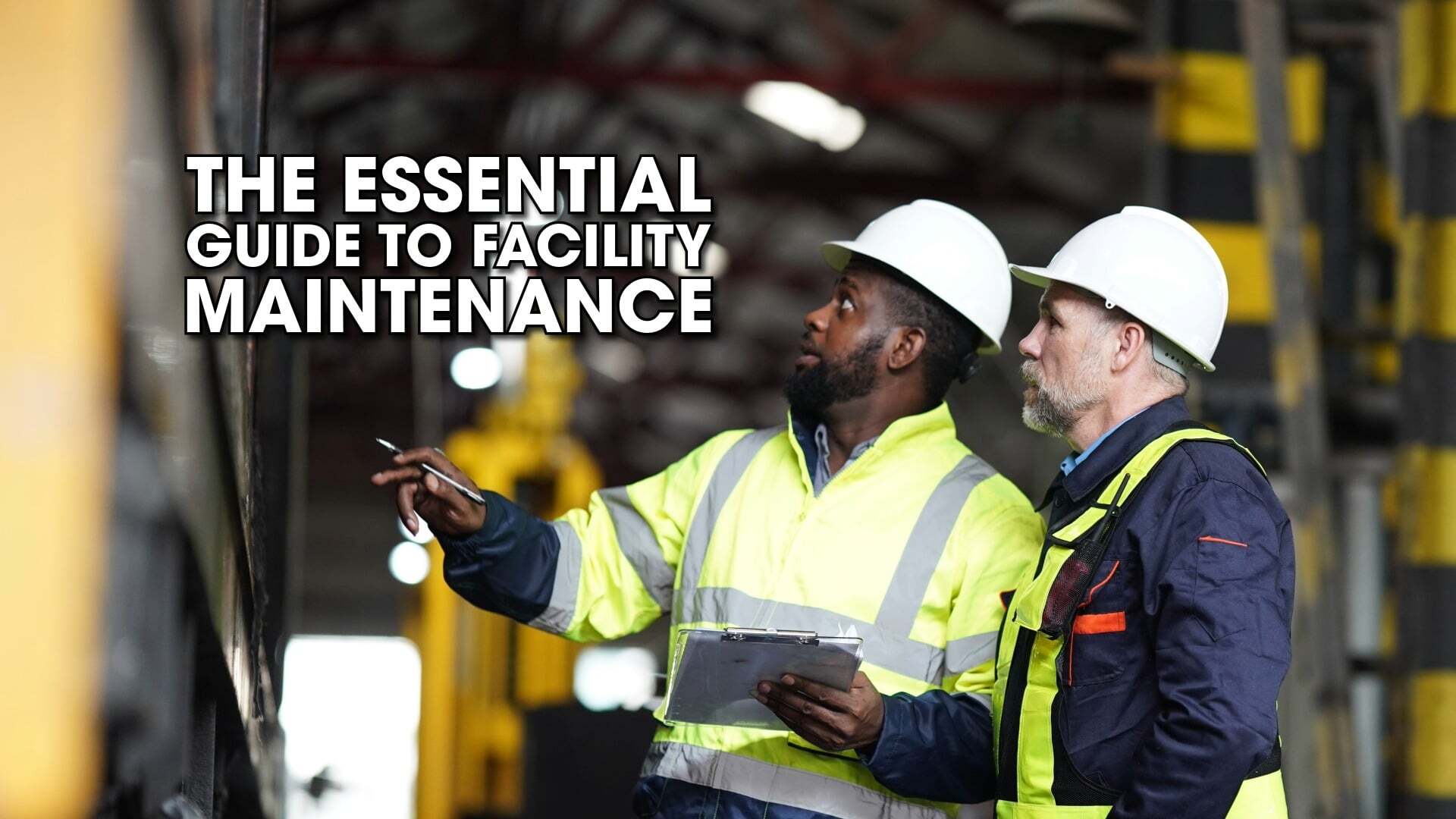
The Essential Guide to Facility Maintenance: Keeping Your Operations Running Smoothly
Facility maintenance is the invisible backbone of every successful organization. From pristine office environments to fully operational manufacturing plants, the quality and consistency of maintenance directly impact productivity, safety, and even employee morale.
In this article, we’ll break down what facility maintenance is, why it matters, and the best practices for keeping your operations in top shape.
What is Facility Maintenance?
Facility maintenance encompasses all the processes, services, and activities required to ensure a building, workspace, or production environment remains safe, functional, and efficient. It covers everything from repairing HVAC systems to keeping lighting, plumbing, electrical systems, and common areas in optimal condition.
Depending on the industry, facility maintenance can also include specialized areas such as:
-
Preventive maintenance: Scheduled inspections and servicing to prevent breakdowns.
-
Corrective maintenance: Repairs made when equipment or facilities fail.
-
Predictive maintenance: Using data and sensors to detect issues before they cause downtime.
-
Custodial services: Cleaning and sanitation to maintain a safe and presentable environment.
Why Facility Maintenance is Critical
-
Productivity & Efficiency
Downtime caused by equipment failure or building issues can halt operations and cost businesses money. Proactive maintenance ensures smooth workflows. -
Safety & Compliance
Regular inspections help identify hazards, comply with local regulations, and maintain OSHA or industry-specific safety standards. -
Cost Savings
Preventive care is more cost-effective than emergency repairs or complete replacements. -
Asset Longevity
Proper upkeep extends the lifespan of costly equipment and infrastructure. -
Brand Image
Well-maintained facilities leave a positive impression on clients, customers, and employees alike.
Core Components of a Strong Facility Maintenance Program
-
Routine Inspections
Schedule regular checks of HVAC, electrical systems, plumbing, and safety equipment. -
Maintenance Logs
Keep detailed records of service dates, repairs, and inspections to track asset performance over time. -
Preventive Scheduling
Create a maintenance calendar for recurring tasks like filter changes, fire extinguisher checks, and roof inspections. -
Staff Training
Equip employees with basic troubleshooting skills and ensure they know how to report issues promptly. -
Technology Integration
Use Computerized Maintenance Management Systems (CMMS) to manage work orders, schedule inspections, and track inventory.
Best Practices for Effective Facility Maintenance
-
Adopt a Proactive Mindset: Address small issues before they escalate.
-
Set KPIs: Measure response time, equipment downtime, and maintenance costs to evaluate performance.
-
Outsource Strategically: For highly specialized services, partner with professional contractors.
-
Focus on Sustainability: Choose energy-efficient systems and eco-friendly materials to reduce operational costs and environmental impact.
-
Communicate Clearly: Maintain open channels between facility managers, maintenance teams, and other departments.
Future Trends in Facility Maintenance
The future of facility maintenance is increasingly data-driven and automated. Emerging technologies like IoT sensors, AI-driven predictive maintenance, and drones for inspection are revolutionizing the industry. These advancements not only improve efficiency but also reduce risks and costs.
Final Thoughts
Facility maintenance may not always be in the spotlight, but it plays a pivotal role in ensuring your organization runs like a well-oiled machine. By prioritizing preventive measures, embracing technology, and fostering a culture of care, you can enhance safety, save costs, and boost overall productivity.
If you treat facility maintenance as an investment rather than an expense, the returns—in efficiency, safety, and satisfaction—will speak for themselves.
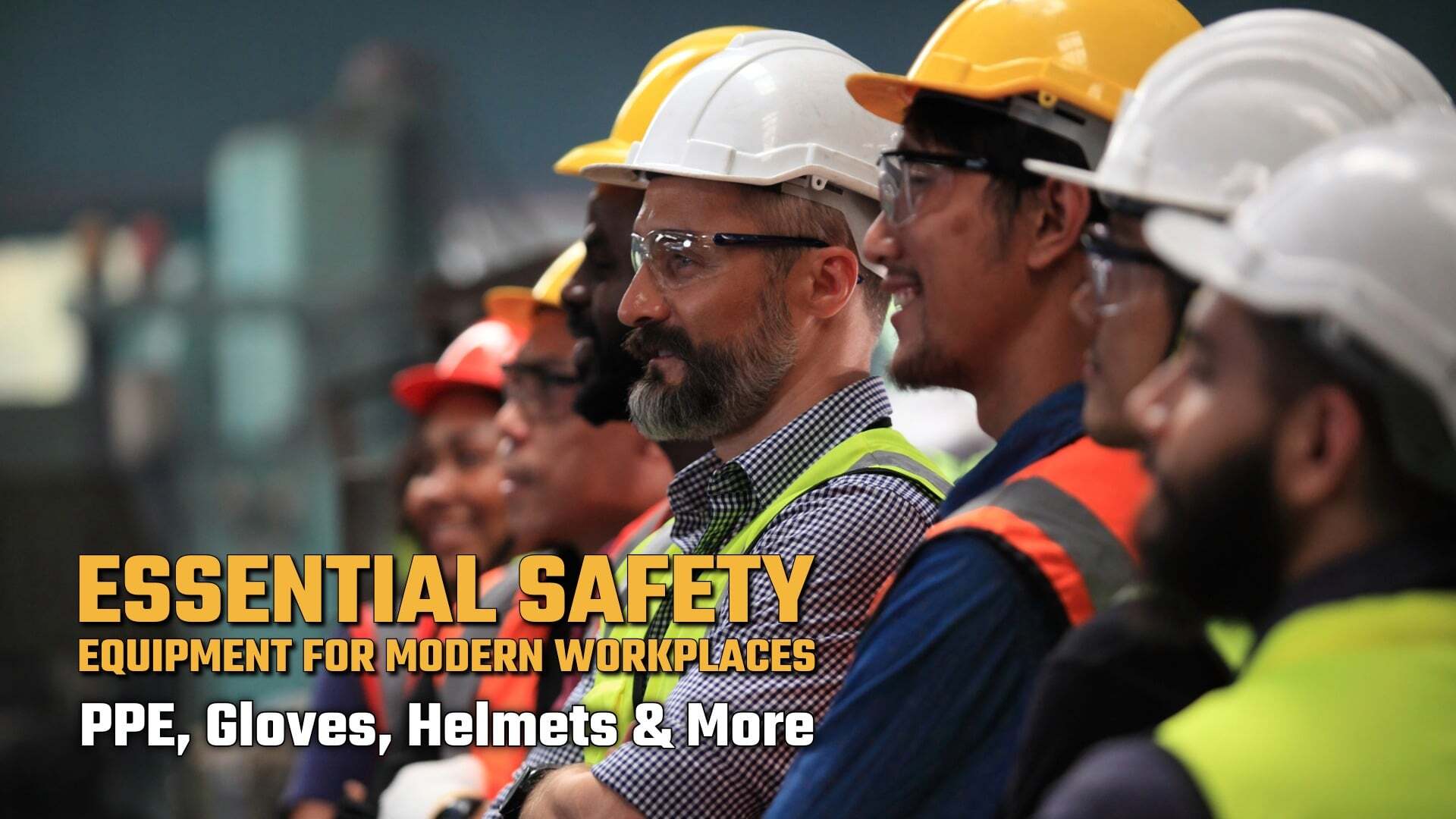
Essential Safety Equipment for Modern Workplaces: PPE, Gloves, Helmets & More
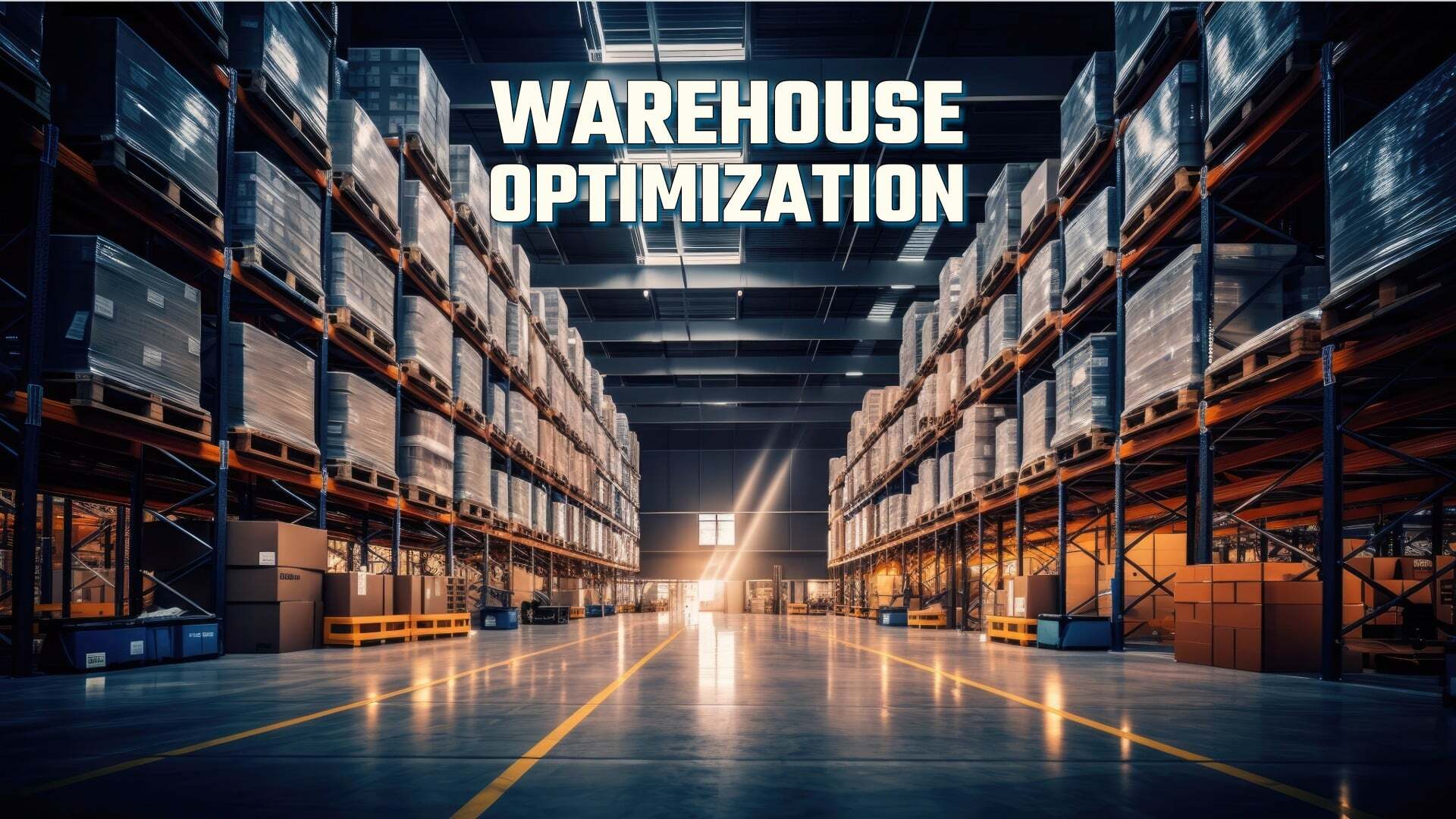
Warehouse Optimization: The Best Storage & Material Handling Products
No Comments Yet
Let us know what you think