

Miller Electric Brand Spotlight: Welding Equipment for Municipal and Fleet Shops

By GoVets Editorial Team
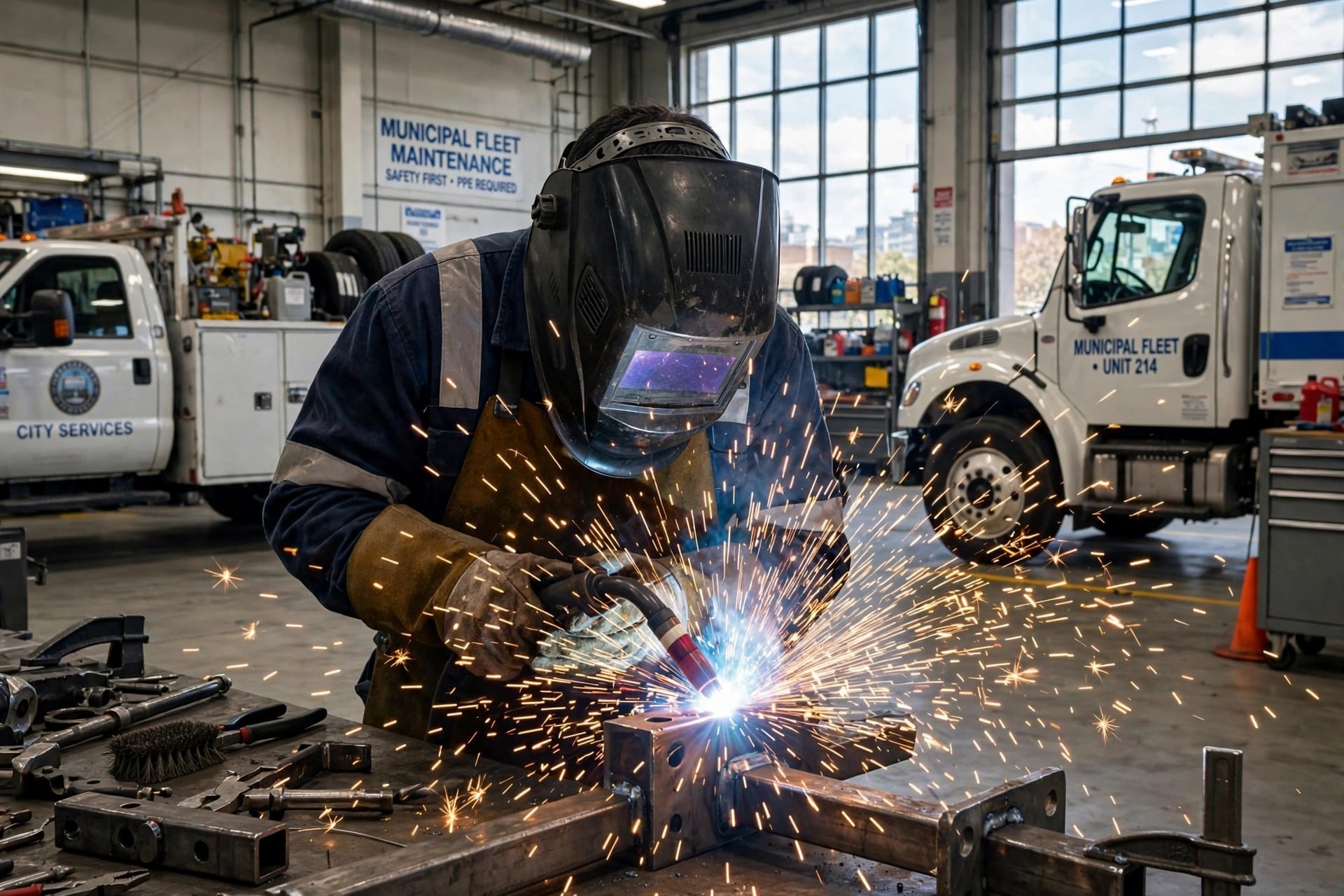
A municipal welding bay supports repairs to trucks, trailers, plows, gates, railings, and facility steelwork. Reliable welding capability starts with equipment matched to the material, repair procedure, operator qualifications, and work location. A shop purchase should account for the complete setup, not just the welding power source.
Miller Electric is a long-standing U.S. welding equipment manufacturer known for professional arc welding equipment. Its process coverage gives maintenance supervisors several categories to evaluate for shop repairs and field work. The right choice depends on the work your crew is qualified and equipped to perform.
Start product research with the Miller brand page on GoVets. Use this guide to organize requirements, identify supporting equipment, and separate technical suitability from purchasing eligibility. Confirm the manufacturer, configuration, availability, and current contract status of each requested item before ordering.
Why Buyers Choose Miller Electric
Miller Electric's professional welding focus, broad process coverage, and manufacturer support resources give buyers reasons to evaluate the brand. MIG, multiprocess, TIG, and stick equipment address different maintenance requirements; engine-driven equipment extends the evaluation to work away from installed shop power.
Serviceability belongs in the purchasing review. Miller provides product manuals, parts information, and support resources. Review the selected equipment's maintenance instructions, applicable warranty terms, and repair arrangements rather than assuming every product has identical coverage or service requirements.
For shared-use shops, standardization should follow a task and inventory review. Record existing equipment, recurring repairs, operator training, and consumable needs. A familiar brand name helps organize sourcing, but the selected machine and its documented capabilities determine suitability for a specific assignment.
MIG, Multiprocess, TIG and Stick Welders for Shop Repairs
Miller welding equipment for fleet shops should be selected by process, material, joint requirements, and the shop's approved repair procedures. Separate routine fabrication from safety-critical vehicle or structural repairs that require engineering review, qualified personnel, or specific acceptance criteria.
- MIG welders: Evaluate wire-fed welding for suitable sheet-metal repairs, brackets, and general fabrication in a controlled shop environment. Match the wire, shielding arrangement, and equipment to the material and procedure.
- Multiprocess welders: Consider these when a shop needs more than one welding process. Confirm exactly which processes and material capabilities the selected equipment supports; multiprocess does not mean every process or accessory is included.
- TIG welders: Evaluate applications requiring controlled heat input and detailed work on suitable materials. Equipment capability, material preparation, and operator skill all affect the choice.
- Stick welders: Consider suitable maintenance and repair assignments, including some outdoor work. Electrode selection, material condition, and the repair procedure remain important.
Wire feeders, guns, torches, leads, and compatible consumables should appear on the same requirements list as the power source. Check what is included and what must be specified separately. Do not assume an existing feeder or torch will work with a new machine.
Review the Miller catalog against your requirements. Coordinate the purchase with the broader Fleet Maintenance Equipment & Supplies category, while keeping vehicle compatibility and approved repair methods separate from catalog browsing.
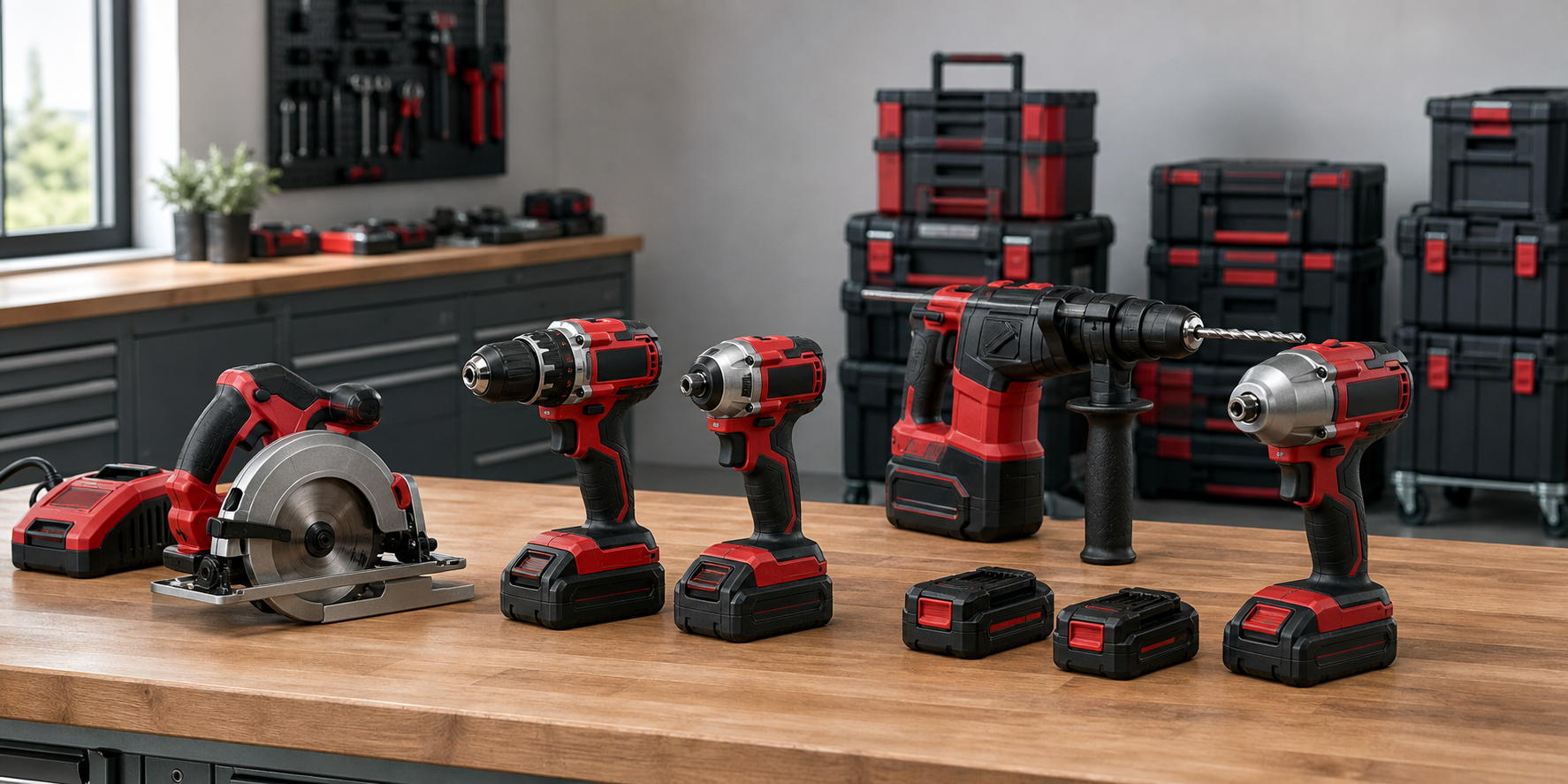
For preparation and finishing tools, the Milwaukee Tool Brand Spotlight provides related crew-planning context. The DeWalt Brand Spotlight offers another reference for complementary tools, not welding-process selection.
Engine-Driven Welder/Generators and Plasma Cutters for Field Work
Engine-driven welder/generators can support mobile repair where suitable facility power is unavailable. Public works yards, distributed maintenance sites, and service-truck assignments may justify evaluating this category separately from equipment intended to remain in a welding bay.
Define the welding requirement and any auxiliary-power requirement individually. Review manufacturer documentation for supported processes, operating conditions, installation, transport, and maintenance. Have responsible personnel assess vehicle mounting, handling, fuel arrangements, and exhaust controls before selecting a configuration.
Miller plasma cutters are a separate category for cutting electrically conductive metal during suitable fabrication and removal work. Match the selected equipment to the material, intended cut, available electrical supply, and required air supply. A plasma cutter is not a substitute for a welding power source.
For a field kit, identify compatible torches, leads, consumables, and transport arrangements. Confirm the exact items offered through the Miller brand page; a general category discussion does not establish that every configuration is listed or available.
Welding Safety, Helmets and Shop Setup
A welding purchase requires a coordinated safety review covering personal protective equipment (PPE), fumes, electrical hazards, hot work, and the surrounding work area. Helmets and protective gear must match the task and the agency's hazard assessment, not simply the welding machine's brand.
- Helmets and PPE: Have qualified personnel select appropriate eye and face protection, gloves, protective clothing, and other task-specific equipment.
- Ventilation and fume control: Evaluate the process, base metal, coatings, work location, and exposure conditions. Fume-extraction equipment and arms require application-specific selection and positioning.
- Work-area controls: Review screens, nearby personnel, combustible materials, cylinder handling, cable routing, and emergency access with the safety officer.
- Field setup: Follow manufacturer instructions for engine exhaust, equipment placement, electrical connections, and operation. Do not treat an outdoor location as proof that every hazard is controlled.
Miller's Safety Precautions resources and the selected equipment's operating manual are manufacturer references for planning. Consult your safety officer for the site-specific assessment, training, and controls. This overview is general information only, not a safety procedure or authorization to begin work.
Include fume-extraction and shop accessories in the requirements review, and verify the manufacturer and intended use of each listing. The Milwaukee PACKOUT storage guide can inform tool organization; storage does not replace hot-work controls or safe equipment handling.
Who Buys Miller Welding Equipment
NYC agencies, federal facilities, state and local departments, municipal public works teams, fleet garages, transit operations, schools, and facility shops may evaluate Miller equipment against documented maintenance requirements. These are buyer-use examples, not statements of agency endorsement or existing customer relationships.
A fleet manager may need equipment for approved vehicle and trailer repairs. Public works supervisors may plan yard fabrication or gate maintenance. School and facility teams may assess repairs to railings and other metal fixtures, subject to engineering and safety review where appropriate.
Before you buy Miller welders online, prepare a requirements list:
- Materials, intended repairs, and the applicable repair or fabrication procedures.
- Required welding processes, operator qualifications, and training needs.
- Shop power, shielding-gas arrangements, ventilation, and field-use constraints.
- Supporting feeders, torches, leads, PPE, accessories, and recurring consumables.
- Quantities, delivery locations, timing requirements, and the purchasing review path.
Use the Fleet Maintenance category for related planning. The NYC Winter Readiness checklist can help place welding-bay needs within a broader seasonal maintenance review.
Why Buy Miller From GoVets
GoVets is a service-disabled veteran-owned small business (SDVOSB) supplier with procurement support. Review the GoVets capability statement when evaluating the company as a Miller Electric supplier. Supplier credentials do not establish technical suitability or contract coverage for a particular product.
For New York City requirements, the NYC contract page identifies New York City Department of Citywide Administrative Services (DCAS) contracts RC #4387223 (Fleet Maintenance Equipment & Supplies) and RC #4387305 (Power Tools & Accessories).
Verify your specific requirement's current eligibility in PASSPort and the applicable GoVets contract catalog. Do not infer coverage from the Miller name, a general online listing, or the contract category. The PASSPort PunchOut guide explains the purchasing workflow; follow your agency's required reviews and approvals.
GoVets also holds GSA Schedule GS-35F-301GA. Review the GoVets GSA page and the specified GSA Advantage search. Confirm current contract scope and specific item eligibility before relying on this purchasing path. Schedule-holder status does not establish coverage for every Miller product.
NYC buyers can contact NewYork@GoVets.com with product and contract-catalog questions. Procurement information here is general information only, not legal advice. Consult your agency procurement officials or counsel about applicable procedures and the authorized purchasing method for your requirement.
Plan Your Miller Welding Equipment Purchase
Build your purchase around the repairs your crew performs, then specify the welding process, supporting equipment, safety setup, and purchasing documentation. Keep technical acceptance, product availability, and contract eligibility as separate checks.
Browse the Miller brand page and Fleet Maintenance category to begin product research. Review Power Tools & Accessories for complementary shop requirements.
Contact NewYork@GoVets.com for NYC purchasing support and use the Request a Quote guidance when configuration, quantities, or sourcing need confirmation. Include your documented requirements and delivery needs. Additional brand spotlights and buyer guidance are available on the GoVets blog.
You May Also Like
These Related Stories
Miller Welding Equipment for Municipal Fleet Shops: What NYC Agency Buyers Should Know
Milwaukee Tool Brand Spotlight: M12, M18 FUEL and PACKOUT for Agency and Facility Crews
No Comments Yet
Let us know what you think